
Modern Art represents a revolutionary movement that transformed the way the world perceives creativity, design, and expression. Emerging in the late 19th century and flourishing throughout the 20th century, modern art broke away from traditional artistic rules, classical realism, and conventional subject matter. Instead of simply replicating reality, modern artists sought to interpret it, question it, and redefine it. This shift marked a profound change in artistic philosophy, emphasizing experimentation, abstraction, emotional depth, and conceptual meaning.
At its core, modern art is defined by innovation. Artists began exploring new techniques, materials, and perspectives that challenged established norms. Movements such as Impressionism, Cubism, Surrealism, Expressionism, and Abstract Art emerged as powerful forces that reshaped artistic language. Rather than focusing solely on accurate representation, artists concentrated on light, color, form, distortion, symbolism, and subjective interpretation. The result was a diverse and dynamic body of work that encouraged viewers to think beyond literal imagery and engage with deeper emotional or intellectual narratives.
One of the defining characteristics of modern art is abstraction. Abstract art removes recognizable subjects and instead focuses on shapes, lines, textures, and colors to communicate meaning. This freedom allowed artists to express complex emotions and ideas without being confined to realistic depictions. Bold brushstrokes, geometric forms, and unconventional compositions became tools of communication. Through abstraction, modern art invites interpretation, allowing each viewer to form personal connections and meanings.
Modern art also emphasizes individuality and self-expression. Artists began to see themselves not just as craftsmen but as innovators and thinkers. Their work reflected personal experiences, societal changes, technological progress, and political tensions of their time. Industrialization, world wars, urbanization, and scientific advancements influenced artistic direction. Art became a platform for questioning authority, challenging traditions, and exploring identity.
In architecture and design, modern art significantly influenced the development of contemporary aesthetics. Clean lines, minimal ornamentation, functional forms, and open spaces became central themes. Modern architectural art integrates geometry, structural clarity, and simplicity to create visually striking yet functional environments. Glass, steel, and concrete replaced heavy decorative materials, symbolizing a new era of progress and technological advancement. Buildings themselves became works of art, reflecting harmony between structure and artistic vision.
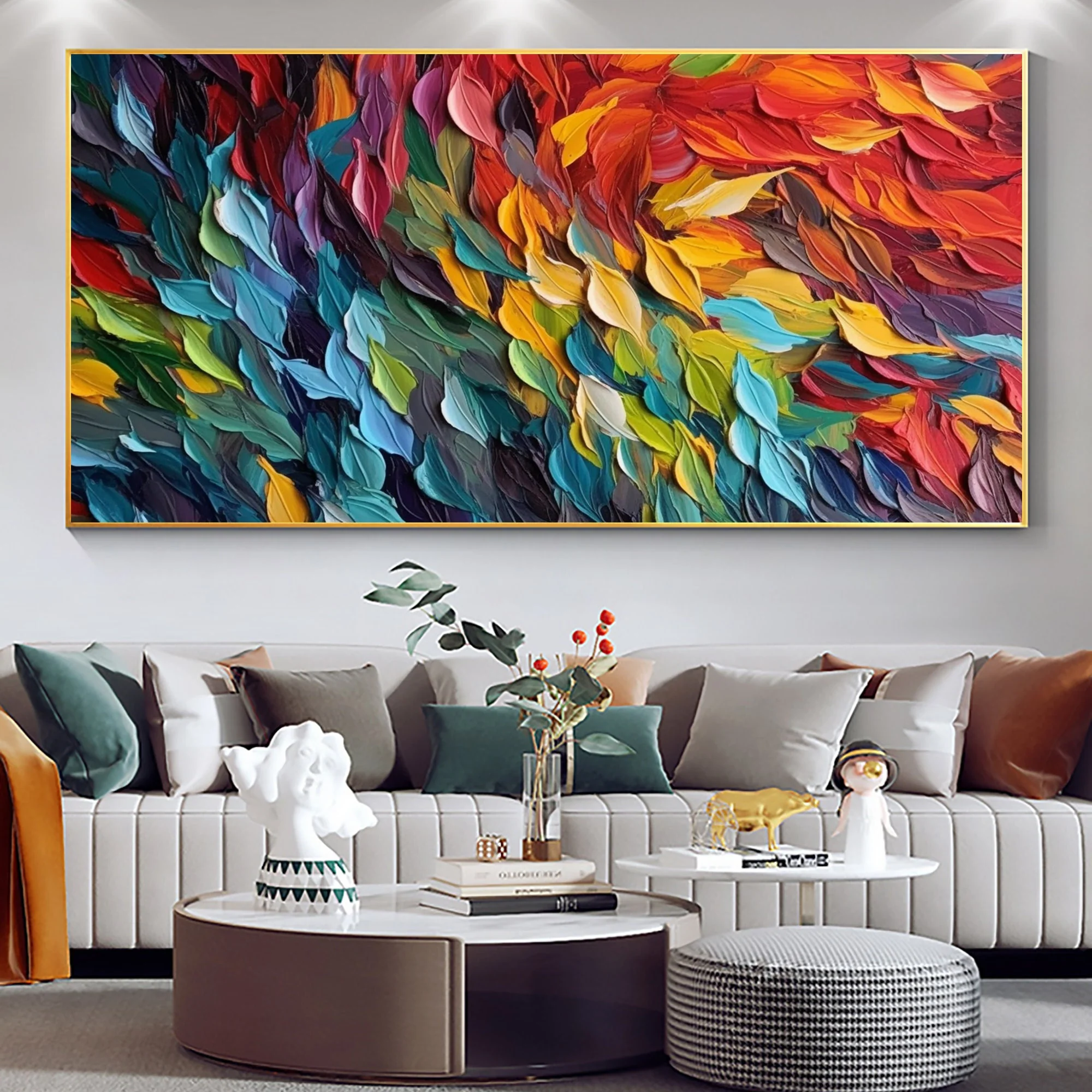
Interior design also adopted modern artistic principles. Neutral color palettes, bold statement pieces, abstract wall art, and sculptural furniture elements define modern spaces. Rather than overcrowding interiors with decorative objects, modern design emphasizes balance, proportion, and purposeful minimalism. Every element serves both aesthetic and functional purposes, creating environments that feel open, elegant, and refined.
Sculpture within modern art also evolved dramatically. Traditional marble statues gave way to experimental forms using metal, wood, glass, and mixed media. Artists manipulated materials to create movement, tension, and symbolic representation. Installations became immersive experiences rather than standalone objects. Public spaces increasingly featured modern sculptures, blending art with urban environments and enhancing community engagement.
Technology has further expanded the boundaries of modern art. Digital art, multimedia installations, projection mapping, and interactive displays have transformed how audiences experience creativity. Artists now integrate sound, motion, and digital elements to create dynamic artistic expressions. This evolution demonstrates that modern art is not static; it continuously adapts to cultural and technological shifts.
Technology has further expanded the boundaries of modern art. Digital art, multimedia installations, projection mapping, and interactive displays have transformed how audiences experience creativity. Artists now integrate sound, motion, and digital elements to create dynamic artistic expressions. This evolution demonstrates that modern art is not static; it continuously adapts to cultural and technological shifts.
Culturally, modern art plays a significant role in shaping societal dialogue. It provides a medium for addressing social issues, political ideologies, and human emotions. Through symbolism and abstraction, artists communicate messages that provoke thought and encourage reflection. Art becomes a conversation between creator and audience, fostering critical thinking and emotional awareness.
In contemporary urban development, modern art is often integrated into architecture and public infrastructure. Murals, façade art, landscape sculptures, and interactive installations transform ordinary spaces into cultural landmarks. This integration enhances community identity and promotes artistic appreciation in everyday life. Modern art contributes not only to aesthetics but also to social cohesion and cultural enrichment.